Clinical Pastoral Training: Strengthening Clinical Care Through Active Listening
At HEAL Africa, an unusual training challenged longstanding habits. Over the course of eight weeks, 37 staff members learned to set aside their titles, put on the chaplain’s robe, and truly listen. What they discovered went far beyond their work methods – it transformed their way of being.
Each year, HEAL Africa trains chaplains from hospitals, schools, correctional facilities, and more, through its Clinical Pastoral Training (CPT) program. In 2025, the fifth week of training marked a turning point. Roles dissolved. Wearing the symbolic robe of the chaplain, participants – nurses, secretaries, accountants, doctors, administrators – walked the hospital corridors not as professionals, but as vis-à-vis – a core concept in CPT meaning “the one who stands in front of me, equal to me in vulnerability.”
“During our field sessions, we became a single family. The chaplain’s robe stripped away hierarchy. There were no bosses or subordinates, but only human beings learning how to listen,” recalled Corinne Sekele, administrative secretary at HEAL Africa hospital.

Naming pain, facing the unspoken
In the final weeks, the training addressed some of the most delicate aspects of clinical care: delivering bad news, confronting death, and facing the limits of one’s ability to relieve suffering.
One participating doctor recalled the moment he was meant to tell a professor that his son was dying but froze – gripped by the fear of facing raw sorrow.
“These experiences taught us the cost of avoiding presence. It’s easier to act. It’s harder to simply be,” he shared.
A culture of listening takes root
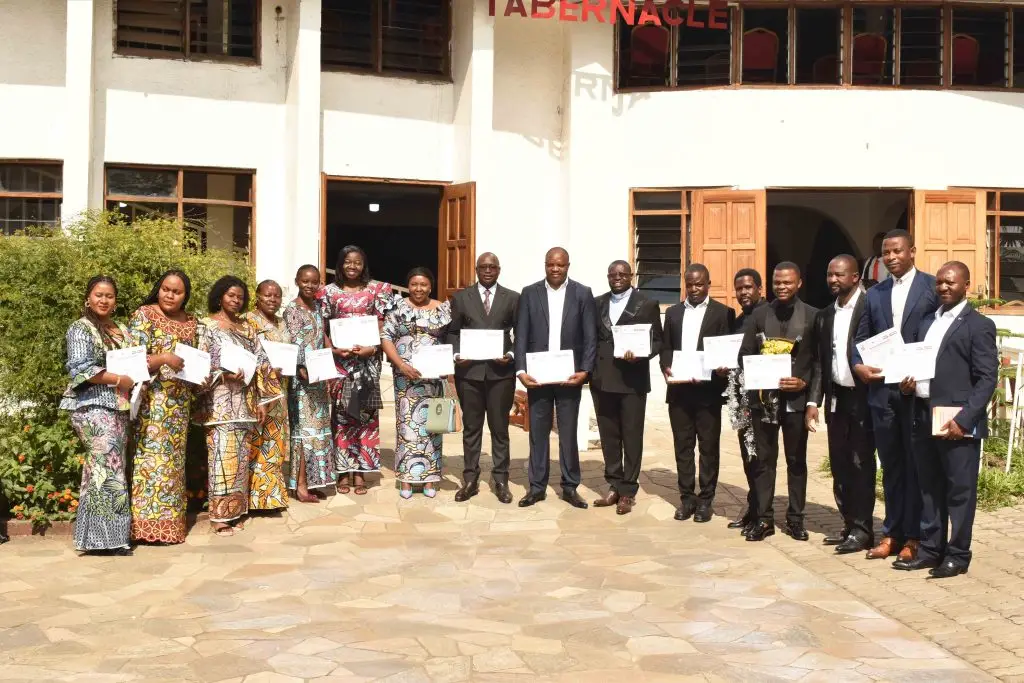
Beyond the certificates awarded to the 37 participants, the 2025 CPT session left a lasting imprint within the walls of HEAL Africa. Meetings now sometimes begin in silence. Disciplinary letters are preceded by listening sessions. Lunchtimes have become opportunities for genuine care and conversation. A subtle shift, but a deep one.
“CPT didn’t give us new tasks; It gave us new eyes,” one participant said.
In a context marked by war, displacement, and poverty, this approach is not a luxury – it is a necessity. It invites everyone to see the person before them not as a file or a function, but as a human being in search of meaning, peace, and dignity.
HEAL Africa is already preparing to expand the program. New modules are in development to meet the specific needs of medical, administrative, and community-based staff. Because in a world driven by performance, presence may just be the most radical act of care we have left.